Source Professional Ingrown Toenail Treatment Clippers for Nail Care
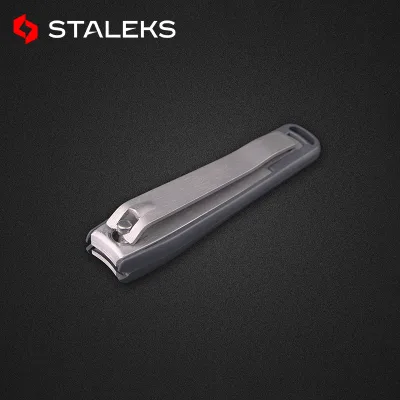
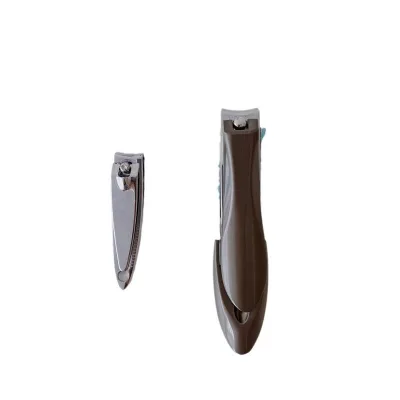
Explore 30 options for professional ingrown toenail treatment clippers designed for precise cuticle and toe nail trimming. Compare stainless steel and carbon steel models with curved blades, custom logos, and OEM services to find the right tool for beauty and daily care applications.
Key considerations
Products List


$0.40 - $0.42
Moq: 6000






Comprehensive Sourcing Guide
Professional Ingrown Toenail Treatment Clippers Sourcing Guide
Sourcing professional-grade clippers for ingrown toenail treatment requires a nuanced understanding of the distinction between standard nail care tools and specialized medical or cosmetic instruments. While general nail clippers are ubiquitous, tools designed for ingrown toenails often feature specific blade geometries, such as curved or pointed tips, to allow for precise cutting of thick or overgrown nail edges without damaging surrounding tissue. Buyers must carefully evaluate whether the product is marketed as a general-purpose tool or a specialized instrument, as this distinction heavily influences material selection, blade hardness, and ergonomic design. The observed market data indicates a wide variance in product attributes, ranging from simple stainless steel cutters to more complex carbon steel instruments with gold plating, suggesting that procurement strategies must be tailored to the specific clinical or retail use case.
The procurement landscape for these devices is characterized by significant variability in customization options and manufacturing origins, primarily centered in China. Suppliers frequently offer OEM and ODM services, allowing brands to imprint custom logos via laser engraving or accept customized packaging solutions, such as gift boxes or poly bags. This flexibility is crucial for private labelers who need to differentiate their products in a crowded market. However, the diversity in specifications, including variations in blade thickness, handle shape, and overall dimensions, necessitates rigorous verification of technical drawings and physical samples before committing to large orders. Buyers should prioritize suppliers who provide clear, detailed specifications for each model, ensuring that the final product aligns with the intended therapeutic or cosmetic application.
Product Scope and Observed Listing Signals
The current market listings reveal a broad spectrum of nail care tools that may be relevant to ingrown toenail treatment, though not all are explicitly designed for this purpose. Key product names observed include "Precision Cuticle Nippers," "Nail Cutter," and "Nail Care Tools," with applications ranging from finger and toe nail trimming to daily nail care. The presence of attributes such as "Curved" blade types and "Pointed, Sharp" blade tips suggests that some tools are engineered for precision work, which is essential for managing ingrown nails. Additionally, the availability of colors like purple, pink, and yellow, along with silver finishes, indicates a strong focus on aesthetic appeal for retail consumers, while the mention of "Professional Nail Care Tools" points to a segment targeting beauty salons and clinics.
Material composition is a critical signal for durability and performance, with listings highlighting both stainless steel and carbon steel options. Stainless steel is often preferred for its corrosion resistance and ease of sterilization, making it suitable for professional environments where hygiene is paramount. In contrast, carbon steel tools, sometimes finished with gold plating, may offer superior edge retention and hardness, which is beneficial for cutting through thicker toenails. The observed single gross weight of approximately 0.150 kg for some items suggests a lightweight design, which can enhance user comfort during prolonged use. Buyers should carefully review these material and design signals to ensure the selected tool meets the specific mechanical demands of ingrown toenail treatment.
Technical Specifications to Verify
Verifying technical specifications is paramount when sourcing clippers for ingrown toenails, as minor deviations in blade geometry can significantly impact efficacy and safety. Key parameters to confirm include blade thickness, with observed values around 1.5mm, and overall dimensions, such as lengths of 8.1cm to 9.6cm. The hole shape, typically round, and the handle design, including flat head variations, affect grip stability and leverage, which are crucial for applying the necessary force to cut tough nail tissue. Buyers should request detailed technical drawings that specify the blade curvature and tip sharpness, ensuring they align with the ergonomic requirements of the end-user. Additionally, the model numbers, such as ES-JDNP or 211G, serve as unique identifiers for quality control and reordering, so maintaining consistency in these codes is essential for supply chain stability.
Packaging and labeling specifications also play a vital role in the final product's presentation and functionality. Listings indicate various packing methods, from individual poly bags to inner color boxes containing 12 pieces, and outer cartons with quantities up to 600 pieces. These details influence logistics costs and retail shelf appeal. Furthermore, the inclusion of customized logo options via laser engraving allows for brand differentiation, but buyers must verify the durability of the engraving against sterilization processes. The standard dimensions provided, such as 96*55mm for certain items, should be cross-referenced with the actual product to ensure compatibility with existing storage or display systems. Clear communication of these specifications with the supplier prevents misunderstandings and ensures the delivered goods meet the intended professional standards.
Compliance and Safety Documentation
While specific certification statuses for ingrown toenail clippers are not uniformly detailed in the observed listings, buyers must proactively verify compliance with relevant safety and quality standards. Trusted category knowledge suggests that tools intended for professional or medical use may require certifications such as CE marking or adherence to ISO 9001 for quality management systems. Although some background data mentions ISO 13485:2016, which is specific to medical devices, buyers should confirm whether their specific product classification falls under this standard or if general cosmetic tool regulations apply. Requesting test reports for material safety, such as nickel release limits for stainless steel, is crucial to prevent allergic reactions in users. Buyers should also inquire about the supplier's ability to provide documentation for surface treatments, such as gold plating, to ensure they do not contain harmful substances.
Documentation should also cover the manufacturing process and origin verification. The observed origins, including Foshan and Guangdong in China, are significant for supply chain transparency. Buyers should ensure that suppliers provide clear evidence of their manufacturing capabilities and quality control procedures. This includes verifying that the production environment meets hygiene standards, especially if the tools are marketed for professional use. Additionally, buyers should request certificates of conformity for each batch, ensuring that the products meet the declared specifications and safety requirements. By maintaining rigorous documentation standards, buyers can mitigate risks associated with product liability and ensure that their offerings are compliant with international trade regulations.
Cost Drivers and Commercial Terms
Cost structures for professional ingrown toenail clippers are influenced by material quality, customization levels, and order volume. The observed price range of $0.07 to $48 USD reflects this variability, with lower prices likely corresponding to basic stainless steel models and higher prices to specialized carbon steel or heavily customized items. Minimum order quantities (MOQs) vary significantly, from as low as 3 pieces to 12,000 pieces, allowing for flexibility in procurement strategies. Buyers should negotiate MOQs based on their sales forecasts and storage capacity, keeping in mind that higher volumes often yield better unit prices. Additionally, the cost of customization, such as laser logo engraving or custom packaging, should be factored into the total landed cost, as these services can add substantial value but also increase per-unit expenses.
Commercial terms, including delivery times and payment conditions, are critical for effective supply chain management. The observed delivery time of approximately 30 days provides a baseline for planning, but buyers should confirm this with the supplier, especially during peak seasons. Payment terms should be structured to balance risk and cash flow, with options like partial upfront payments and balance upon shipment being common. Buyers should also consider the impact of logistics costs, which can vary based on the weight and dimensions of the packaged goods. Clear communication of these commercial terms ensures that both parties have aligned expectations, reducing the likelihood of disputes and ensuring timely delivery of products to the market.
Supplier Qualification and Quality Control
Qualifying suppliers for professional ingrown toenail clippers requires a thorough assessment of their manufacturing capabilities and quality control systems. Buyers should verify the supplier's experience in producing nail care tools, checking for references or case studies that demonstrate their ability to meet professional standards. The availability of OEM and ODM services indicates a level of flexibility and expertise, but buyers should also assess the supplier's responsiveness to custom requests and their ability to maintain consistency across production batches. Requesting samples for evaluation is a crucial step, allowing buyers to test the tool's performance, durability, and ergonomic design. Additionally, buyers should inquire about the supplier's internal quality control processes, including inspection protocols for blade sharpness and material integrity.
Quality control should extend to the packaging and labeling stages, ensuring that products are protected during transit and presented correctly to end-users. Buyers should verify that the supplier uses appropriate packaging materials to prevent damage, such as using inner color boxes and outer cartons as observed in the listings. Regular audits or third-party inspections can provide additional assurance of quality, especially for large orders. Buyers should also establish clear acceptance criteria for defects, such as blade misalignment or surface imperfections, and communicate these standards to the supplier. By implementing robust supplier qualification and quality control measures, buyers can ensure that the products they source meet the high standards required for professional ingrown toenail treatment.
Long-Term Procurement Checks
Long-term procurement success depends on continuous monitoring of supplier performance and market trends. Buyers should establish key performance indicators (KPIs) to track metrics such as on-time delivery, product quality, and responsiveness to issues. Regular reviews of these metrics help identify potential problems early, allowing for corrective actions before they impact the supply chain. Additionally, buyers should stay informed about changes in material costs and regulatory requirements, which can affect pricing and compliance. Building a strong relationship with the supplier can facilitate better communication and collaboration, leading to improved product offerings and more favorable commercial terms over time.
Market feedback from end-users is another critical component of long-term procurement strategy. Buyers should collect and analyze feedback on the performance and usability of the clippers, using this information to guide future product development and sourcing decisions. This feedback loop ensures that the products remain relevant and competitive in the market. Furthermore, buyers should periodically reassess their supplier base to ensure they are leveraging the best available options. This may involve exploring new suppliers or negotiating better terms with existing partners. By maintaining a proactive and data-driven approach to procurement, buyers can sustain a reliable supply of high-quality professional ingrown toenail clippers, supporting their business growth and customer satisfaction.
FAQs
What materials are used for professional ingrown toenail treatment clippers?
These clippers are typically crafted from stainless steel or carbon steel to ensure durability and resistance to corrosion. The choice of material impacts the blade's sharpness and longevity, with stainless steel offering superior hygiene for professional beauty and nail care applications.
Can these clippers be customized with a specific logo?
Yes, customization is available for most professional nail care tools. Buyers can request laser logos or customized branding on the handles. This OEM and ODM service allows businesses to brand their products effectively for retail or professional salon distribution channels.
What is the typical lead time for ordering these clippers?
The standard delivery time is approximately 30 days after order confirmation. This timeline accounts for manufacturing, quality control, and packaging processes. Buyers should plan their inventory accordingly, as lead times may vary slightly based on order volume and specific customization requirements.
Which specifications define the standard size of these clippers?
Standard models often measure around 8.1 to 9.6 centimeters in length, with thicknesses near 1.5 millimeters. Specific models like the ES-JDNP or 211 series have defined dimensions. These sizes are optimized for precise cuticle and toenail trimming in professional settings.
How are these clippers packaged for shipment?
Packaging options include poly bags, gift boxes, or customized boxes depending on the buyer's needs. Bulk shipments may use cartons containing multiple units, such as 12 pieces per inner color box. This flexible packaging ensures product protection and meets various retail or wholesale requirements.
What is the minimum order quantity for these clippers?
MOQs vary by supplier and product model, ranging from 3 units for samples to 12,000 units for bulk orders. Some specific models may have an MOQ of 6,000 pieces. Buyers should confirm the exact MOQ with the supplier based on their specific product selection.